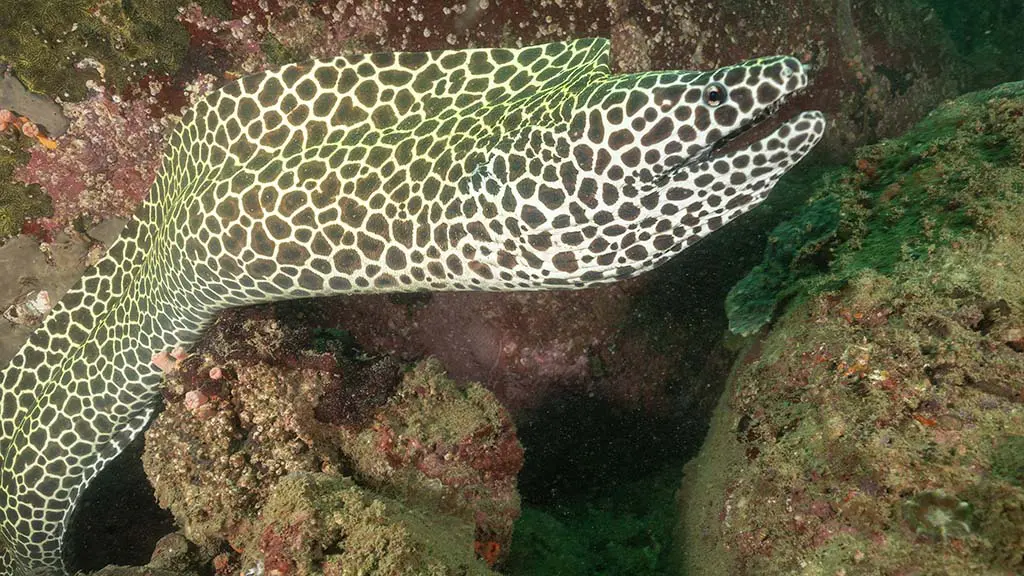
Swami Rock
This site features underwater rock formations near the historic Koneswaram Temple, attracting various reef fish and occasional sightings of larger pelagic species.
Explore the outer rock edges during slack tide for clearer visibility.

Sri Lanka's east coast has emerged as one of the Indian Ocean's most compelling dive regions, with Trincomalee anchoring the experience. The question isn't whether the island nation offers quality diving—it's whether the seasonal windows, marine biodiversity, and wreck sites align with what you're seeking underwater.
Quick answer
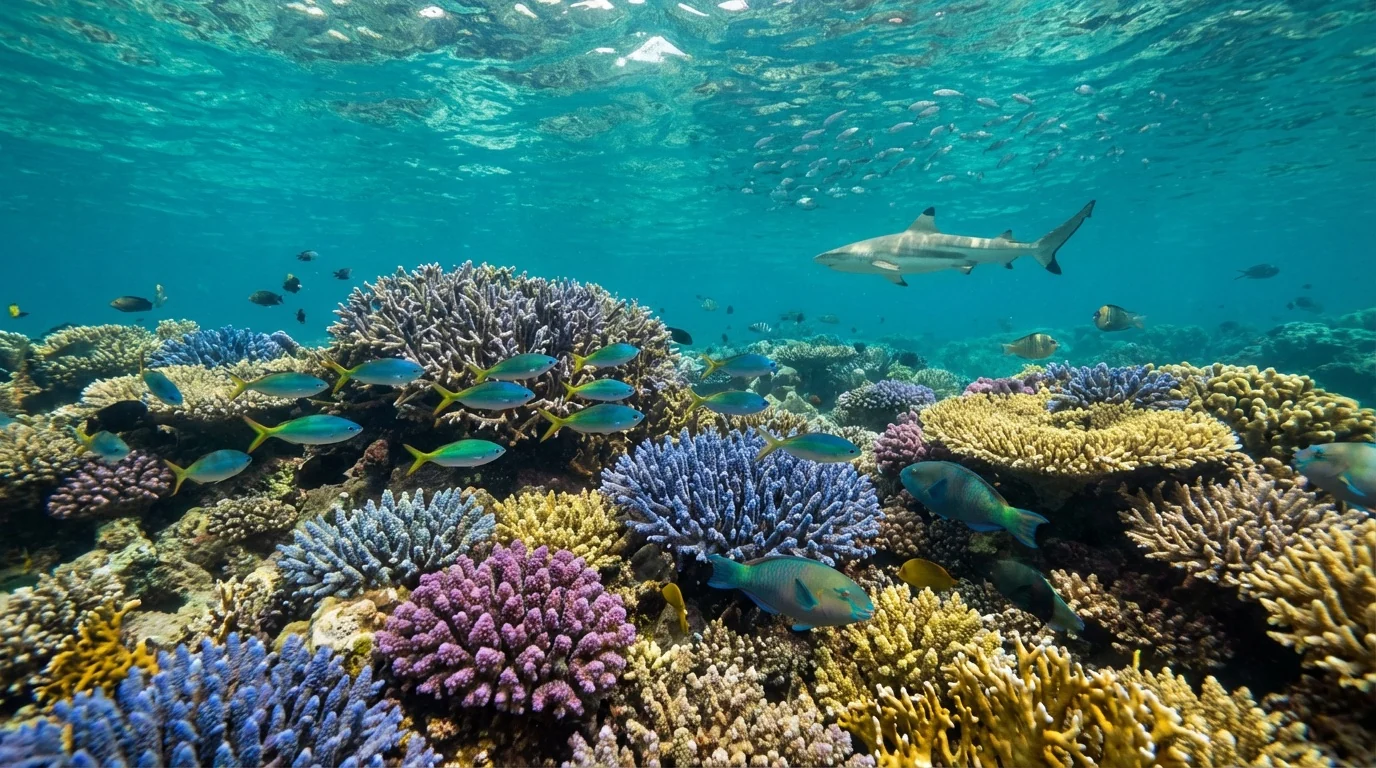
Yes, Sri Lanka is excellent for scuba diving, particularly in Trincomalee where water temperatures stay between 27–29°C year-round and visibility reaches 20–30 meters during peak season (April–September). The region combines healthy coral reefs with accessible WWII shipwrecks and diverse marine life including blue whales offshore. Morning dives between 07:00–11:00 offer the calmest seas and clearest conditions.
Trincomalee's natural harbor shelters some of the richest dive sites in South Asia, a fact often overshadowed by the Maldives and Thailand in regional conversations. The HMS Hermes, a British aircraft carrier sunk in 1942, rests at 54 meters and ranks among the world's largest diveable wrecks—a single structure that redefined Sri Lankan diving when it opened to recreational divers. The east coast's geography creates conditions that answer whether Sri Lanka merits a dedicated dive trip. Monsoon patterns split the island into opposing seasons: while the west and south coasts face rough seas from May to September, Trincomalee's east-facing bays remain protected and clear. This seasonal flip means the island offers year-round diving somewhere on its perimeter, with the east coast claiming the prime April–September window when visibility peaks and surge diminishes. Water temperature holds steady near 28°C across all months, eliminating the thermal layering that plagues temperate dive regions. Pigeon Island National Park, two kilometers offshore, anchors the shallow diving scene with hard coral gardens at 6–12 meters. Blacktip reef sharks patrol the drop-offs, while schools of fusiliers and snappers create moving walls of silver against the coral backdrop. The site requires no advanced certification but rewards careful buoyancy—the coral here recovered slowly after bleaching events earlier this decade, and contact damage remains a concern among conservationists. Beyond the recreational headline sites, Trincomalee's offshore waters hold seasonal megafauna encounters. Blue whales migrate through the continental shelf from March to August, with some operators offering snorkel encounters during surface intervals. Spinner dolphins appear year-round. The marine biodiversity extends beyond the charismatic species: nudibranchs, octopuses, and macro life populate the reef structure, giving wide-angle photographers and macro specialists equal satisfaction. Sri Lanka's diving infrastructure remains less polished than Southeast Asian standards—expect smaller boats, more relaxed safety briefings, and fewer backup equipment options. Most operators run out of Uppuveli and Nilaveli beaches, with morning departures capturing the optimal visibility window. The trade-off for this developing infrastructure is uncrowded sites and pricing well below Maldivian or Thai equivalents.
“The HMS Hermes rests at 54 meters and ranks among the world's largest diveable wrecks—a single structure that redefined Sri Lankan diving when it opened to recreational divers.”
The optimal window for scuba diving in Trincomalee is from March to October, as the east coast remains protected from the southwest monsoon. During this period, prioritize the best arrival window: 07:00–11:00, when calm seas and high visibility are most consistent.
Warm, 28-30°C; calm seas provide clear visibility. These months mark the start of the favorable season with stable conditions.
Hot, 30-32°C; peak season with frequent sunshine. Sea conditions remain stable for offshore boat dives.
Warm, 28-30°C; transition period before northeast monsoon. Visibility remains good before seasonal weather patterns shift.
—;Best arrival window: 07:00–11:00. Calm seas and best visibility typically occur during morning hours.
Verdict: The best opportunity for diving is between April and September, specifically during the best arrival window of 07:00–11:00 for optimal water clarity.
The diving operations in Trincomalee are open daily throughout the week to accommodate visitors. You may reach out during these hours to coordinate your diving schedule.
Trincomalee offers diverse underwater environments ranging from historic shipwrecks to expansive coral reefs. These sites provide opportunities to observe marine biodiversity in the Indian Ocean.
This site features underwater rock formations near the historic Koneswaram Temple, attracting various reef fish and occasional sightings of larger pelagic species.
Explore the outer rock edges during slack tide for clearer visibility.
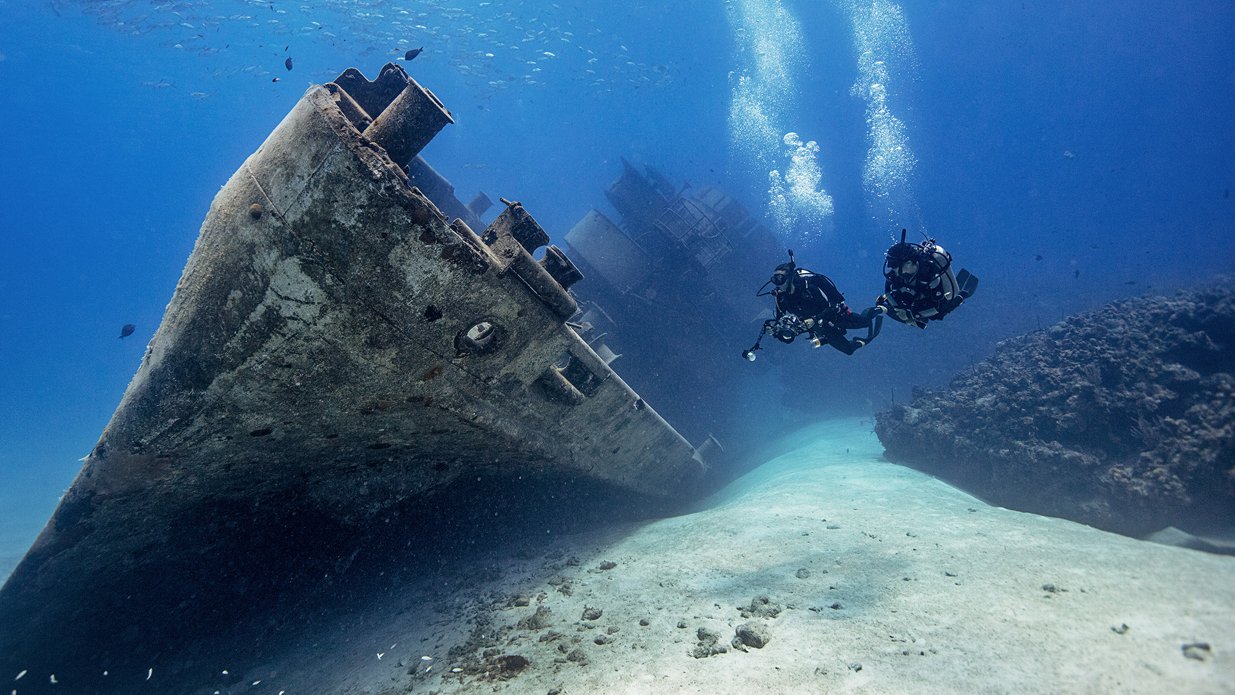
Located in shallow waters, this World War II era wreck is encrusted with corals and serves as an artificial reef for schools of snapper.
Bring an underwater camera to capture the structure of the hull.
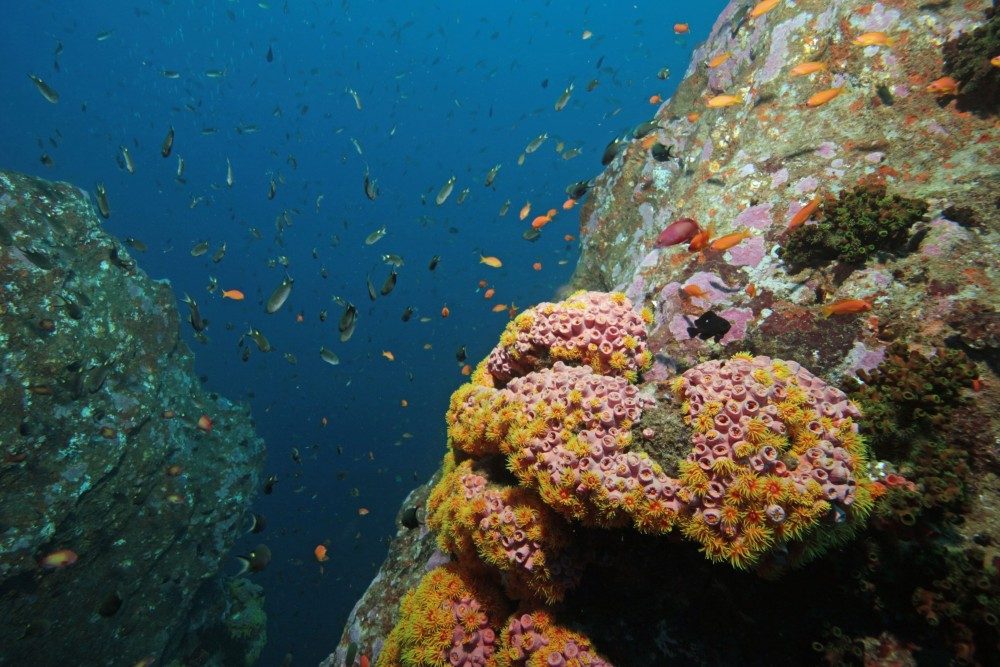
This area contains extensive coral formations and is home to sea turtles, moray eels, and diverse macro life.
Focus on the reef patches where smaller marine creatures congregate.
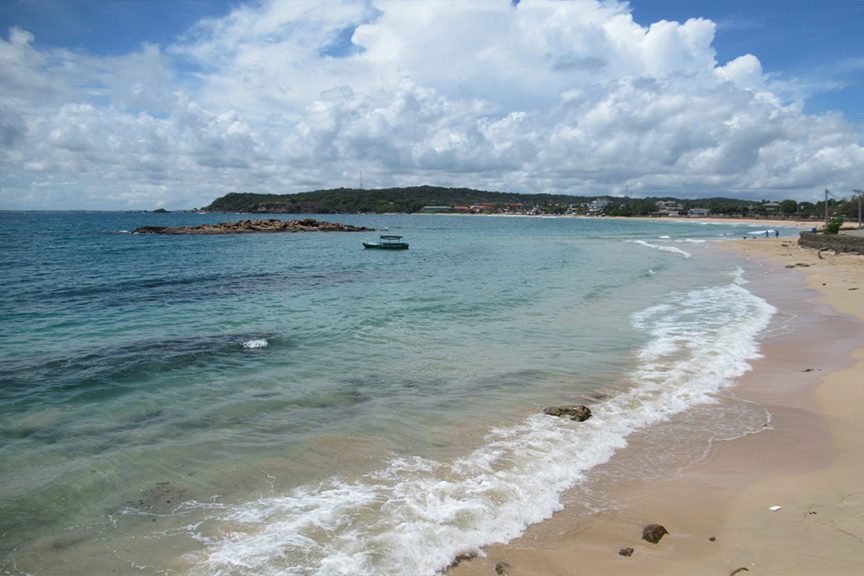
A coastal site known for calm conditions, making it suitable for observing stingrays and bottom-dwelling marine life.
Visit during the morning arrival window for the most stable water.
Trincomalee is located on the northeast coast of Sri Lanka. Visitors typically reach the area via national road networks or the regional rail system connecting to the capital.
Colombo Fort to Trincomalee Railway Station
Colombo Bastian Mawatha Bus Terminal to Trincomalee
A6 highway via Dambulla
Bandaranaike International Airport to Trincomalee
For local transit to specific dive operators, hiring a three-wheeler or private taxi is the most direct method once you reach the Trincomalee town center.
Work through these in order, from the weeks before your trip down to the morning you step onto the boat.
Everything you need to know about is sri lanka good for scuba diving
Trincomalee is widely considered a premier destination for underwater exploration due to its healthy coral reefs and abundant marine life. Many travelers ask is sri lanka good for scuba diving, and the answer is yes, especially for those interested in exploring historic shipwrecks and diverse fish species. Operators are well-equipped to support both recreational and technical divers in this region.
The best arrival window for activities is 07:00–11:00, as calm seas and best visibility typically occur during morning hours. Arriving early helps ensure you have optimal conditions for underwater photography and navigation. This scheduling is a common tip for those wondering is sri lanka good for scuba diving near the coast.
Yes, the calm waters in this area make it a welcoming environment for those learning to dive. If you are researching is sri lanka good for scuba diving as a novice, you will find several local PADI-certified schools ready to offer training. These centers prioritize safety and foundational skill development in controlled environments.
The entrance fee to the area is 0 USD, as access is free for visitors. While there is no entry cost to the location itself, scuba diving activities are charged per package or operator. You should consult individual service providers to understand their specific inclusions and rental costs.
Diving conditions fluctuate significantly by season, so timing your trip is essential for the best experience. While many wonder is sri lanka good for scuba diving year-round, local weather patterns, particularly the monsoon cycles, dictate the accessibility of certain dive sites. Always check current marine forecasts before planning your travel dates.
Proper preparation involves selecting a reputable dive shop and ensuring you have the necessary certification cards. Visitors interested in whether is sri lanka good for scuba diving often overlook the importance of checking equipment maintenance and operator safety records. Booking in advance is recommended to secure your preferred time slots during peak season.
The coastal region offers various activities, but professional dive operators set their own age restrictions for underwater excursions. Families should verify specific child-friendly policies directly with their chosen dive center. While some local areas are suitable for snorkeling, specialized scuba training usually requires meeting specific age and physical health benchmarks.