5 hr
Trincomalee Whale Watching & Navy Island Snorkeling Tour
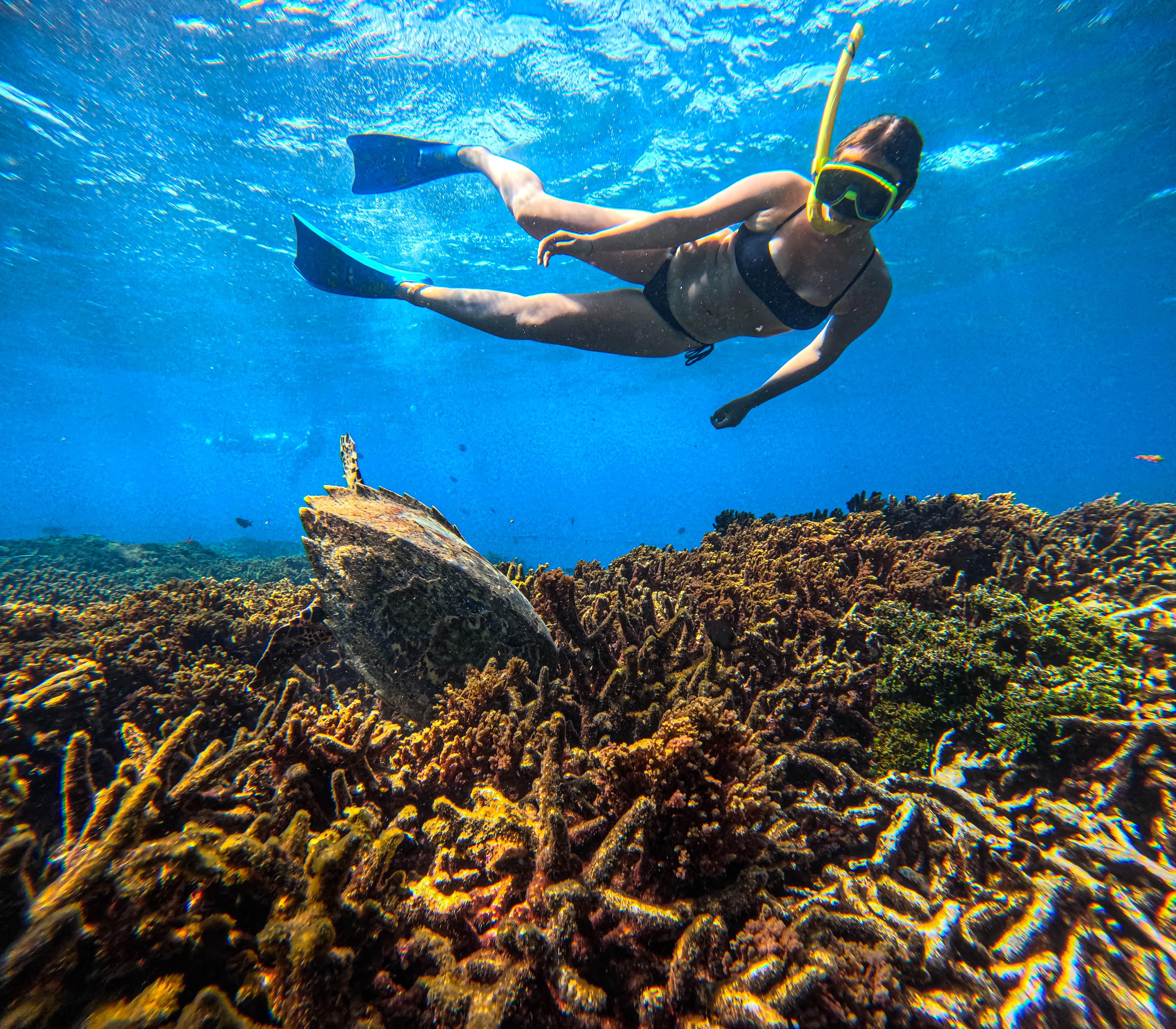
Spot blue whales and dolphins at sea, then snorkel with turtles and coral at Navy Island.
Reserve
Hand-picked by our editors — only the best 5 dive experiences from 18 reviewed.
Verified partners for every tour, free cancellation where available, and instant confirmation on every booking.
5 hr
Spot blue whales and dolphins at sea, then snorkel with turtles and coral at Navy Island.
Reserve
2 hr 30 min
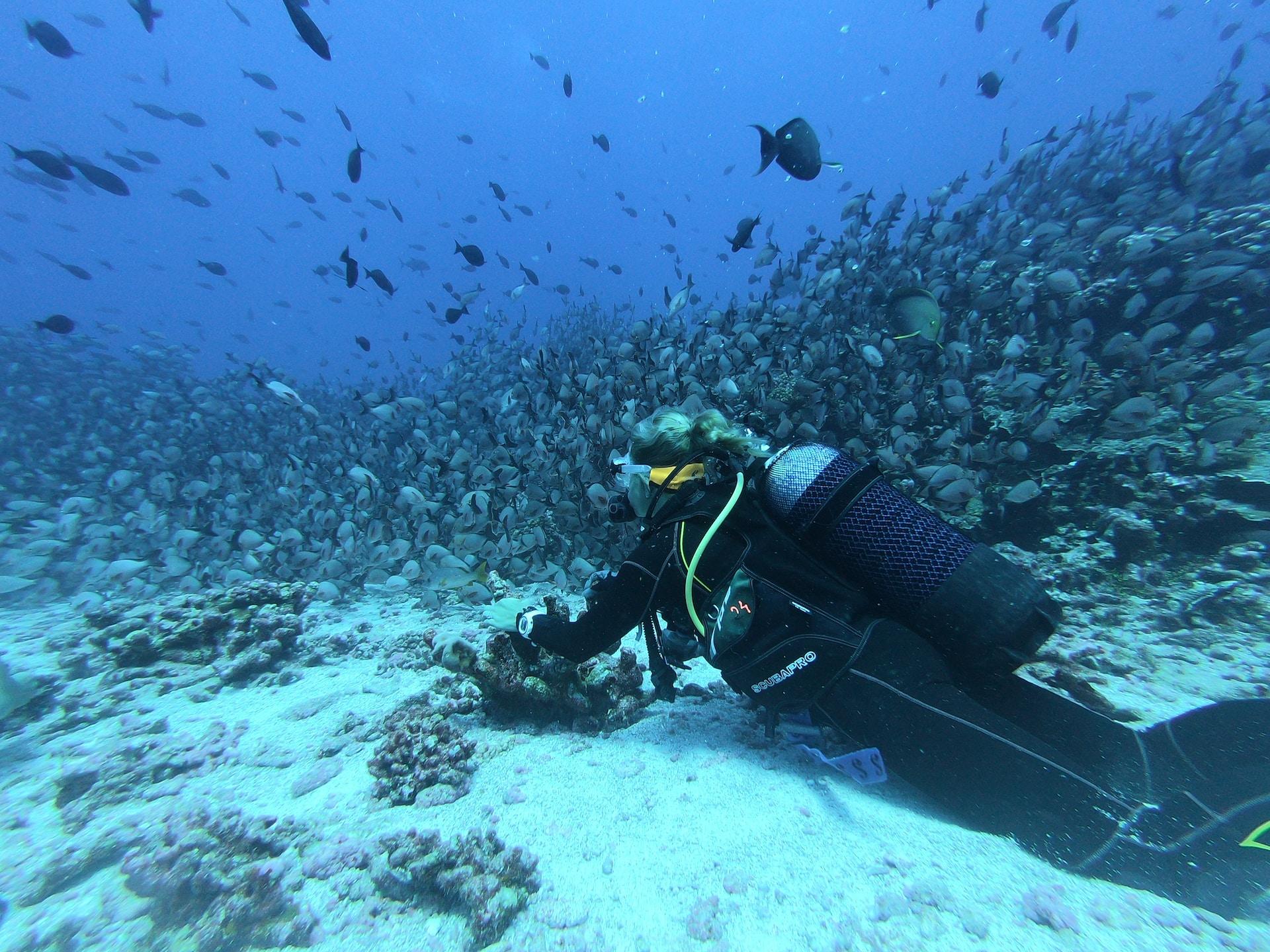
Two guided dives off Nilaveli, from coral reefs to historic shipwrecks, with full gear included.
Reserve
3 hr
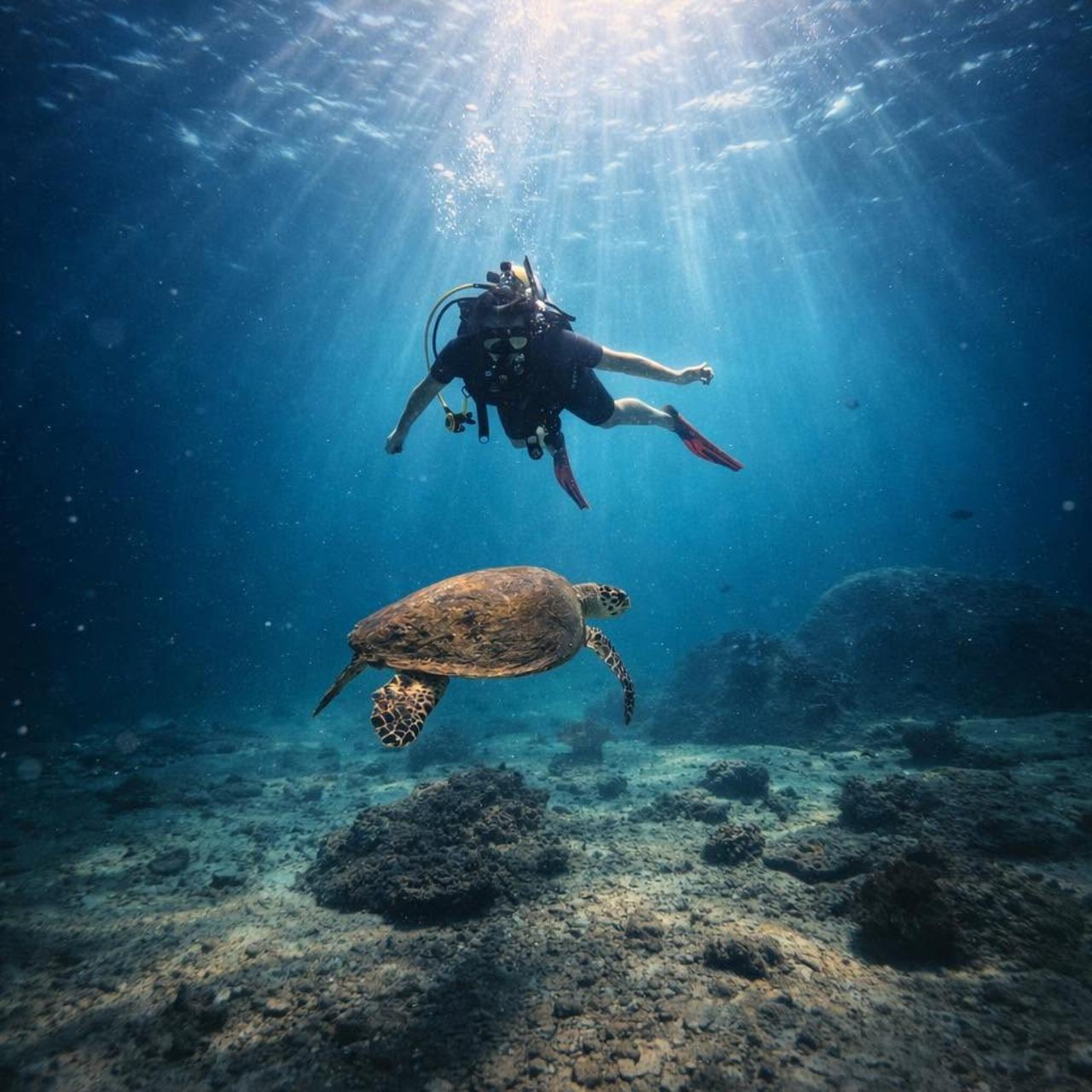
Dive into Trincomalee's deep sandbank waters to explore shipwrecks, reefs, and marine life.
ReservePrices from verified partners. Availability updates in real time at checkout. Free cancellation policies apply where shown.
The landmarks, rooms, and views travelers on this tour remember — all visible on a single visit.
Fringed by a massive coral reef, this island offers the most accessible snorkeling and diving in the park. The reef spans 200m by 100m, providing a dense habitat for hundreds of reef fish species.
Located adjacent to the larger island, this rocky islet is a vital sanctuary for seabirds and marine biodiversity. It serves as a natural breakwater that helps protect the reef ecosystem.
These shallow gardens are famous for massive brain corals and delicate staghorn formations. It is the primary site for beginner scuba diving trincomalee experiences where visibility often exceeds 20 meters.
The surrounding waters are frequently patrolled by juvenile blacktip reef sharks. They are accustomed to snorkelers and divers, offering a unique opportunity to witness these marine predators.
This area is known for regular sightings of Hawksbill and Green sea turtles. Guests can observe these ancient mariners in their natural feeding grounds within the park.
They complement each other; most visitors who do both call offshore wreck exploration the more thrilling activity while finding shallow coral reefs better for relaxed observation. Choosing the best scuba diving trincomalee tours provides access to deeper, submerged maritime history compared to the surface-level encounters found at the national park.
| Feature | Top pick Scuba Diving | Pigeon Island Snorkeling |
|---|---|---|
Experience Type |
Deep Sea Wreck Exploration | Surface Reef Snorkeling |
Depth |
15–30 meters | 1–3 meters |
Primary Wildlife |
Groupers and large pelagic fish | Blacktip reef sharks and turtles |
Certification Required |
Open Water Certification | None required |
Suitable For |
Experienced divers and explorers | Families and beginners |
Typical Duration |
4–6 hours | 2–4 hours |
| See tickets → |
Verdict: Securing best scuba diving trincomalee tickets offers an immersive encounter with historic shipwrecks, whereas snorkeling remains the preferred choice for those seeking immediate, low-barrier wildlife viewing.
Choose your ticket, select your date, and reserve in under two minutes. Secure checkout handled by our verified partner.
Instant confirmation by email, with a mobile voucher you can save offline. No printing, no queuing at a collection desk.
Arrive at the entrance, show your voucher on your phone, and walk in. Most tickets include priority or skip-the-line access.
Practical details for your visit straight from our verified partners — hours, access, rules, and how to get there.
Wear comfortable beach attire and swimwear suitable for a boat-based marine excursion. Always carry a sun hat and protective layers to shield against the tropical sun between best scuba diving trincomalee sessions.
Keep all personal belongings in water-resistant bags to protect them from ocean spray during transit. Single-use plastics are strictly prohibited on the island to protect the fragile ecosystem of the best scuba diving trincomalee site.
Underwater cameras are highly encouraged to capture the diverse marine life. Please ensure you maintain buoyancy and avoid contact with the reefs while positioning yourself for the best scuba diving trincomalee photos.
The park is accessed via boat from Nilaveli Beach and involves wading through shallow water. Visitors should be comfortable with basic swimming and boarding small vessels to reach this best scuba diving trincomalee location.
The shallow reefs make this a popular destination for families to observe marine life in calm waters. It is widely considered one of the best scuba diving trincomalee spots for beginners to see reef fish and turtles.
No food vendors operate on the island, so please bring sufficient water and snacks. Ensure all waste is packed out to maintain the cleanliness of this premier best scuba diving trincomalee environment.
Best time to go, insider tips, nearby landmarks, and the cancellation fine print — flip through to skim what matters to you.
Flexible, no hidden fees.
Full refunds are typically provided for cancellations made 24 hours in advance. Please note that the 2,765 LKR entrance fee may be subject to separate park policies regarding weather-related closures.
Trincomalee's underwater landscape is shaped by a naval graveyard and a coral archipelago that transformed a colonial harbor into one of South Asia's premier dive destinations. HMS Hermes, the world's deepest diveable aircraft carrier, lies fifty-four meters below Trincomalee's eastern waters—sunk by Japanese bombers in April 1942, now encrusted with soft corals and patrolled by barracuda schools. The wreck stretches 182 meters along the seabed, its flight deck collapsed but recognizable, gun turrets still mounted, and cargo holds open to penetration dives that require advanced certification. Beyond the war relics, Pigeon Island National Park shelters 300 species of reef fish across two granite outcrops ringed by staghorn and brain coral formations. The shallow western reef sits between five and twelve meters, accessible to novice divers and snorkelers who share the water with blacktip reef sharks and hawksbill turtles. The park's conservation fee—2,765 LKR per foreign visitor—funds marine patrols that have allowed coral cover to recover to 65 percent since 2010, reversing decades of blast-fishing damage. Visibility peaks during the April-to-September northeast monsoon season, when thermoclines stabilize and plankton blooms subside, delivering twenty-five to thirty-five meters of clarity. The best scuba diving Trincomalee experiences extend across eighteen catalogued sites, from the British Sergeant wreck at thirty-two meters—its boilers visible through the sand—to Swami Rock's vertical walls where grey reef sharks cruise the drop-off. Nilaveli's two-dive packages typically pair a morning wreck descent with an afternoon reef drift, capitalizing on the eight-to-eleven window when surface chop diminishes and thermoclines settle. Local operators now run dedicated whale-watching excursions to the continental shelf, where blue whales surface between March and August, though dive boats maintain a two-hundred-meter exclusion zone to avoid disrupting migratory corridors.
"HMS Hermes lies fifty-four meters below Trincomalee's eastern waters—the world's deepest diveable aircraft carrier."
A step-by-step walkthrough of the visit — what you'll see, how long each stage takes, and the details that matter.
You board from Uppuveli Beach at eight in the morning, the dive master briefing you on HMS Hermes's layout as the boat cuts east toward the wreck coordinates. The descent begins at fifteen meters, where the carrier's superstructure emerges from the blue haze—gun mounts still bolted to tilted decks, porthole frames twisted by seven decades of saltwater. You finesse your buoyancy over the flight deck at forty meters, watching barracuda spiral through the hangar opening, then ascend slowly past the conning tower where lionfish nest in the radio room. By eleven you surface and transfer to Pigeon Island's mooring buoys, where the second dive drops you into five meters of crystalline water over staghorn thickets. Blacktip reef sharks glide past your peripheral vision as you fin toward the granite shelf, pausing to photograph a hawksbill turtle grazing on sponges wedged into coral crevices. The shallow depth allows a fifty-minute bottom time—you drift with the current along the eastern ridge, counting parrotfish and angelfish until your computer signals the safety stop. Back on deck, the dive master logs your profiles and confirms the afternoon's surface interval before the return crossing to Nilaveli.
Pigeon Island National Park is open daily from 08:00–17:00.
We recommend arriving between 08:00–11:00 for the best scuba diving trincomalee visibility and calmest water conditions.
The foreign adult entrance fee is 2,765 LKR per person.
Yes, families often visit Pigeon Island National Park, making it a great destination for those seeking the best scuba diving trincomalee experience in a safe environment.
Bring sun block, beach attire, a sun hat, flip flops, and a waterproof camera for your best scuba diving trincomalee excursion.
Tickets for the best scuba diving trincomalee can be purchased at the Pigeon Island National Park ticket office on Nilaveli Beach.
Prohibited items include single-use plastics and non-biodegradable substances to keep the best scuba diving trincomalee reef healthy.
Yes, monsoon conditions can lead to temporary closures, so always check local conditions for your best scuba diving trincomalee trip.
You can take a licensed boat from Nilaveli Beach to reach the best scuba diving trincomalee destination.
After exploring the best scuba diving trincomalee reefs, consider visiting the nearby historic temples or the pristine Nilaveli Beach.